
Learn to Respond When Seconds Matter
Donate an AED
Place Lifesaving Equipment Where It's Needed
Donate an AED in Yakima, Cle Elum, and Ellensburg for schools and public spaces lacking immediate cardiac emergency resources
Cascadian Rhythm coordinates AED donations that place functional devices in underserved areas where cardiac arrest response depends on equipment availability. You contribute a new or gently used unit, or provide financial support that funds device acquisition and placement. The team works with schools, community centers, transit stations, and parks to identify locations where public access to an AED can reduce response time and improve survival rates.
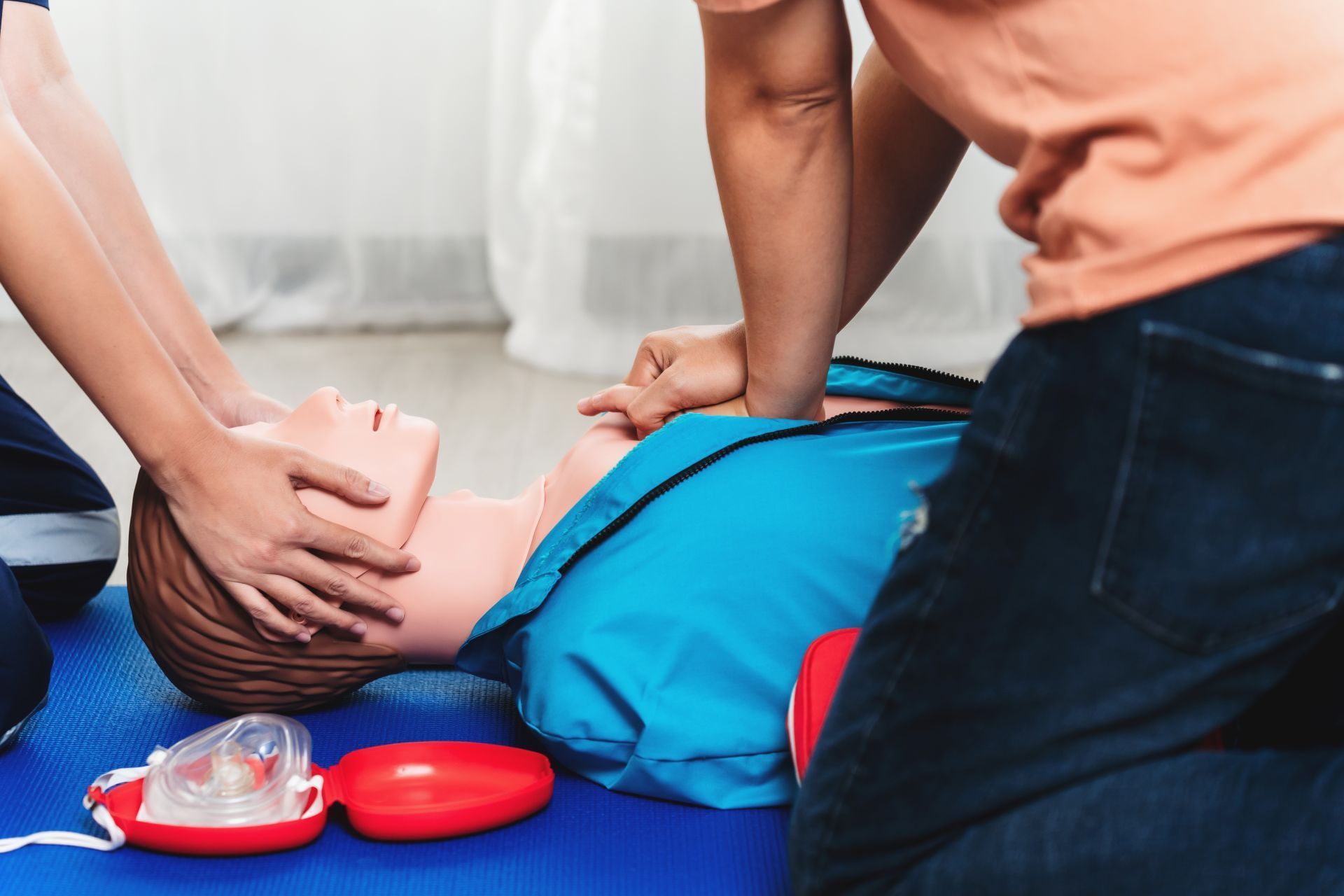
Donated equipment undergoes inspection to confirm operational status, battery charge, and electrode pad integrity before installation. The program prioritizes high-traffic areas with limited proximity to emergency medical services or where large groups gather without onsite medical personnel. In Yakima, Cle Elum, and Ellensburg, this often includes youth sports complexes, senior centers, and trailheads where distance from hospitals increases the critical window for defibrillation.
Reach out to discuss how your contribution can support AED placement efforts in your community.
Insert Title
Insert Content
How long does it take to train a full team?
Common Questions About AED Donations
Contributors in Yakima, Cle Elum, and Ellensburg often want to know what types of devices are accepted, how placement decisions are made, and what happens after a donation is received.
What condition must a donated AED be in?
The device should power on, display a ready status, and include unexpired electrode pads, though Cascadian Rhythm can assess units with minor issues and coordinate refurbishment if feasible.
How are placement locations selected?
The team evaluates factors such as foot traffic, distance from emergency services, population density, and requests from organizations that lack equipment and budget to purchase independently.
When will the donated AED be installed?
Placement typically occurs within four to eight weeks after donation acceptance, depending on recipient coordination, device testing, and installation scheduling.
Why focus on public spaces rather than private businesses?
Public areas serve larger populations and include individuals who may not have access to workplace AEDs, increasing the potential impact of each donated unit.
WHAT HAPPENS IF THE DEVICE IS USED IN AN EMERGENCY IN YAKIMA, CLE ELUM, OR ELLENSBURG?
The recipient organization notifies Cascadian Rhythm so electrode pads and batteries can be replaced, ensuring the AED returns to ready status promptly.
Cascadian Rhythm welcomes donations that strengthen community preparedness and broaden access to cardiac emergency response tools. Contact the team to explore how you can contribute equipment or financial support to the program.