Learn Skills That Save Lives
Veteran-led training with decades of emergency medical experience and real-world instruction.
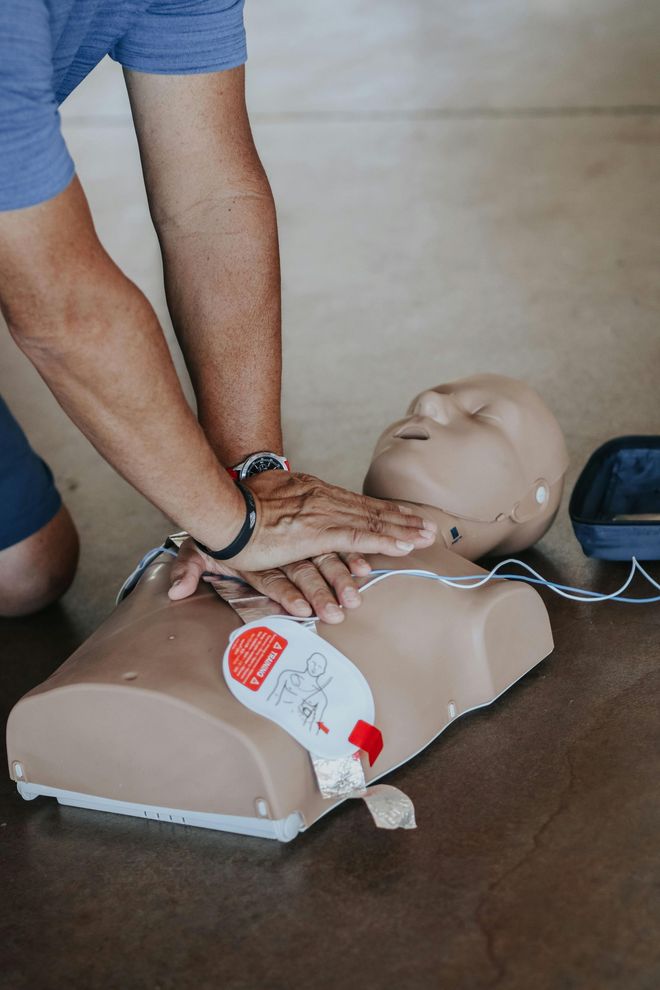
CPR - THE SMARTEST THING YOU CAN LEARN FROM A DUMMY
Cascadian Rhythm is a veteran-led 501(c)(3) nonprofit dedicated to helping people respond confidently when every second matters. Serving communities throughout Washington, Oregon, and Idaho, our experienced instructors provide hands-on CPR, AED, First Aid, Stop the Bleed, Narcan, and EpiPen training for individuals, workplaces, schools, and community organizations. Each class is built around realistic scenarios and practical instruction—not simply passing a test. Through accessible certification programs, community education, and public-access AED initiatives, we are working to ensure more people have the knowledge, confidence, and equipment needed to save a life.
A certification card is paperwork. Being able to act correctly, on a stranger or on your own child, is the point.
- Instructor-led sessions with hands-on practice
- Certification through the Emergency Care and Safety Institute
- Bilingual instruction available on request
- A 501(c)(3) mission funded by every class
BYSTANDERS DECIDE MOST OF THESE OUTCOMES.
More than 250,000 out-of-hospital cardiac arrests are treated by emergency crews in the United States each year, and roughly 70% of them happen at home. Only about 10.5% of those people survive to leave the hospital, and only 42.5% receive bystander CPR before responders arrive. Those two figures are connected. Immediate compressions can triple the chance of survival, and a defibrillator used inside the first 3 to 5 minutes changes the outcome again. Everything we teach is built around closing that gap in Yakima, WA and the communities around it.
WE RUN THE ROOM AROUND THE PEOPLE IN IT.
Nurses, teachers, orchard crews, coaches, bus drivers, and parents all arrive with different reasons for being there, so a single script serves none of them well. We slow down on the skills that are genuinely difficult and move quickly through what a group already understands. Scenarios come from the calls people in this region actually face, including the ones that begin at home.
CPR AND AED TRAINING IN YAKIMA, WA
WHY CHOOSE US
Real-World Emergency Experience
Our veteran-owned team brings decades of combined emergency medical and military experience to every class. Participants learn from instructors who understand how emergencies unfold and what it takes to respond effectively under pressure.
Hands-On, Scenario-Based Training
Every course emphasizes practical skills through realistic scenarios—not simply memorizing steps or passing a test. Participants practice CPR, AED use, bleeding control, and other lifesaving techniques until they feel prepared to act confidently.
A Nonprofit Mission That Saves Lives
As a 501(c)(3) nonprofit, Cascadian Rhythm is committed to making lifesaving education and emergency equipment more accessible. Training fees and community support help advance public-access AED initiatives and emergency preparedness throughout the communities we serve.
Flexible Training Across the Northwest
We serve individuals, workplaces, schools, and community organizations throughout Washington, Oregon, and Idaho. Flexible scheduling, group training options, and bilingual instruction make it easier for more people to receive the preparation they need.
What We Do
Lifesaving Training and AED Solutions
From hands-on training and AED equipment to placement support and emergency planning, we provide the knowledge and resources needed to respond confidently while professional help is on the way.
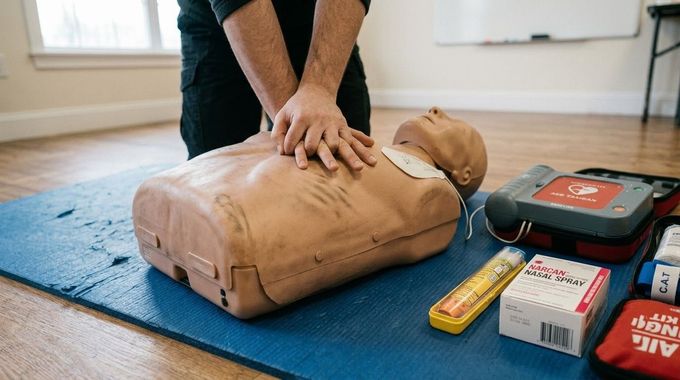
CPR Training
Adult, child, and infant compressions, rescue breathing, and airway management, drilled at the depth and rate that actually move blood. Sessions can fold in Narcan, EpiPen, and bleeding control so one class covers the emergencies you are likeliest to meet.
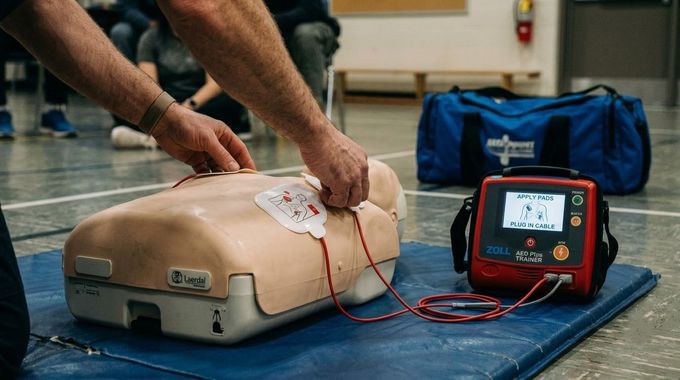
AED Training
Pad placement, rhythm analysis, shock delivery, and the immediate return to compressions, practiced on trainer units until the sequence runs without prompting. Groups finish with a timed retrieval walk from the far corner of their own building.
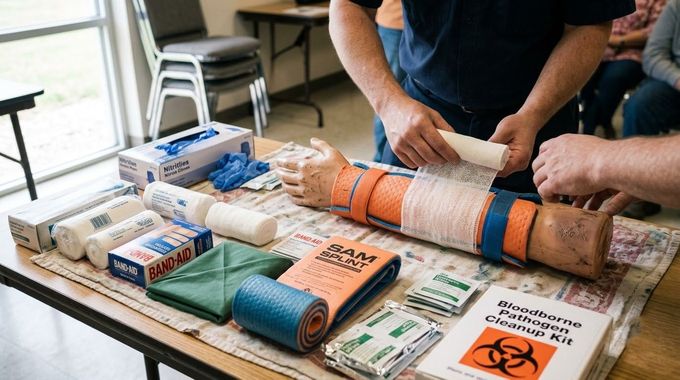
First Aid Training
Bleeding, burns, fractures, splinting, choking, allergic reactions, and bloodborne pathogen precautions, taught on real supplies rather than slides. Weighted toward the ordinary injuries that fill a workday, not the rare catastrophes.
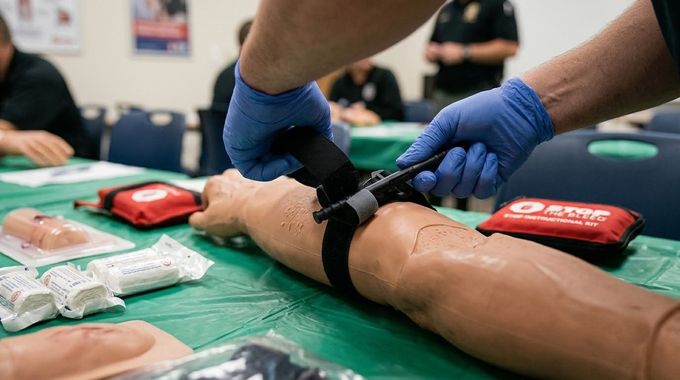
Stop the Bleed training
Direct pressure, wound packing, and correct tourniquet placement, rehearsed physically on training limbs. Serious bleeding can end a life in under 5 minutes, so the class drills the decision until nobody stalls over it.
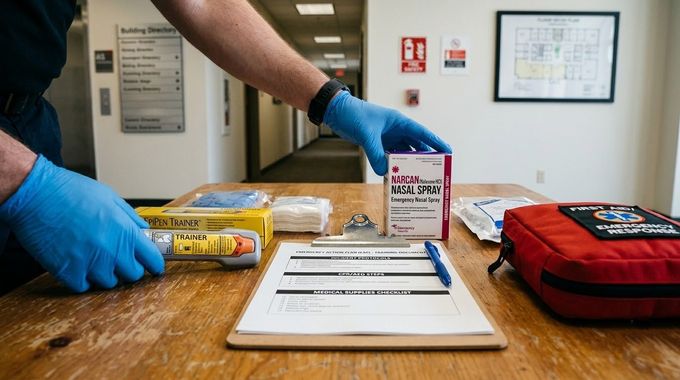
Emergency Preparedness Training
Narcan administration, EpiPen use, and written emergency action planning, combined into multi-skill sessions shaped around your building and your risks. Washington's standing order means naloxone is available to anyone willing to carry it.
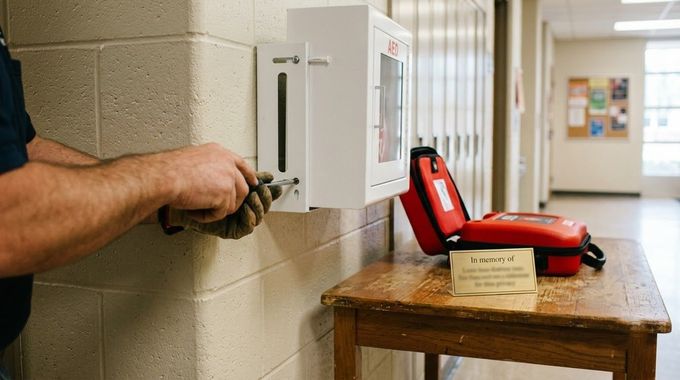
Donate an AED
Sponsor a complete placement, give in memory of someone, or contribute serviceable equipment. Every gift is tied to a named site with a real need, and donors are told where the device landed and who was trained on it.
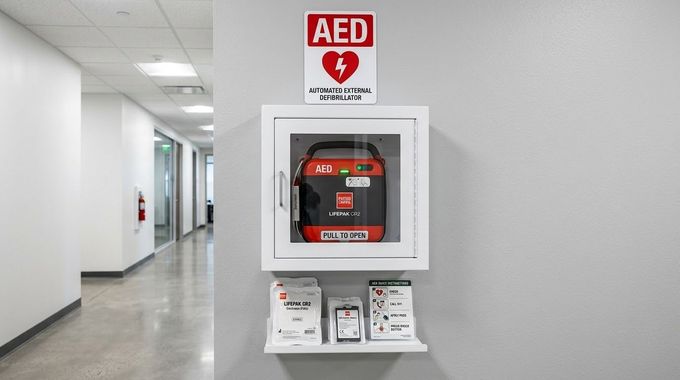
AED for Sale
Defibrillators matched to your floor plan, your responders, and your budget, supplied with pads, batteries, cabinets, and signage. We also walk you through medical direction and the EMS notification Washington requires of every owner.
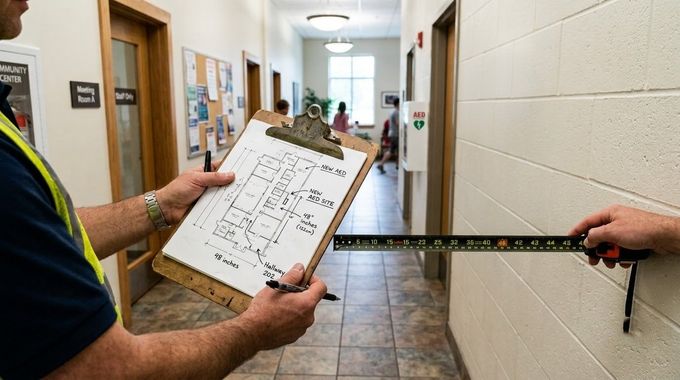
Request an AED
Schools, congregations, nonprofits, and community spaces can apply for a defibrillator. We assess the site, time the retrieval walk from its worst corner, and train responders before the cabinet ever goes on a wall.
service areas
SERVING WASHINGTON, OREGON, AND IDAHO.
Our offices sit in Yakima, WA, Cle Elum, Ellensburg, Granger, and Portland, and our instructors travel well past all of them. Public classes run on a regular schedule, including sessions at the lower Yakima Valley classroom in Granger, while onsite group training is arranged anywhere across Washington, Oregon, and Idaho.
That reach matters most where help is farthest away. Small districts, volunteer agencies, rural congregations, and orchard operations often sit a long way from the nearest ambulance, which makes the trained person already on site the entire plan.
Yakima, WA
Cle Elum, WA
Ellensburg, WA
Granger, WA
Portland, OR
Seattle, WA
Tacoma, WA
Spokane, WA
Vancouver, WA
Wenatchee, WA
Kennewick, WA
Pasco, WA
THE SKILL COSTS AN AFTERNOON. THE ALTERNATIVE DOES NOT.
Customized sessions · Bilingual instruction · Onsite group training
Households, workplaces, and schools · 29 years of experience · Veteran-led 501(c)(3) nonprofit
Common Questions
frequently asked
questions.
These are the questions we field most often, asked by first-time participants, by employers arranging staff coverage, and by organizations weighing up whether a defibrillator belongs in their building.
How do I know which CPR or emergency training course I need?
The right course depends on your profession, employer, licensing requirements, and whether you need an initial certification or renewal. Let us know what your workplace or licensing agency requires, and we will help you select the appropriate class before you register.
What is the difference between free community training and a paid certification course?
Free community training teaches practical lifesaving skills but may not include an official certification card. Paid certification courses include the required instruction, hands-on skills evaluation, and documentation needed to earn a certification.
What skills are covered during CPR training?
Depending on the course selected, training may include adult, child, and infant CPR, AED operation, airway management, Narcan administration, EpiPen use, and bleeding control. Participants practice realistic scenarios so they understand how to recognize an emergency, take action, and coordinate with emergency responders.
Will I receive hands-on practice during the class?
Yes. Participants practice compressions, rescue breathing, AED pad placement, and other applicable skills using professional training equipment while receiving direct instructor feedback.
How long does CPR or BLS certification remain valid?
Most CPR and Basic Life Support certifications remain valid for two years. Because employers and licensing agencies can have different requirements, we recommend confirming your renewal deadline before your certification expires.
Cascadian Rhythm Powered by CPR-X